#EnergyBoatChallenge
AI Class
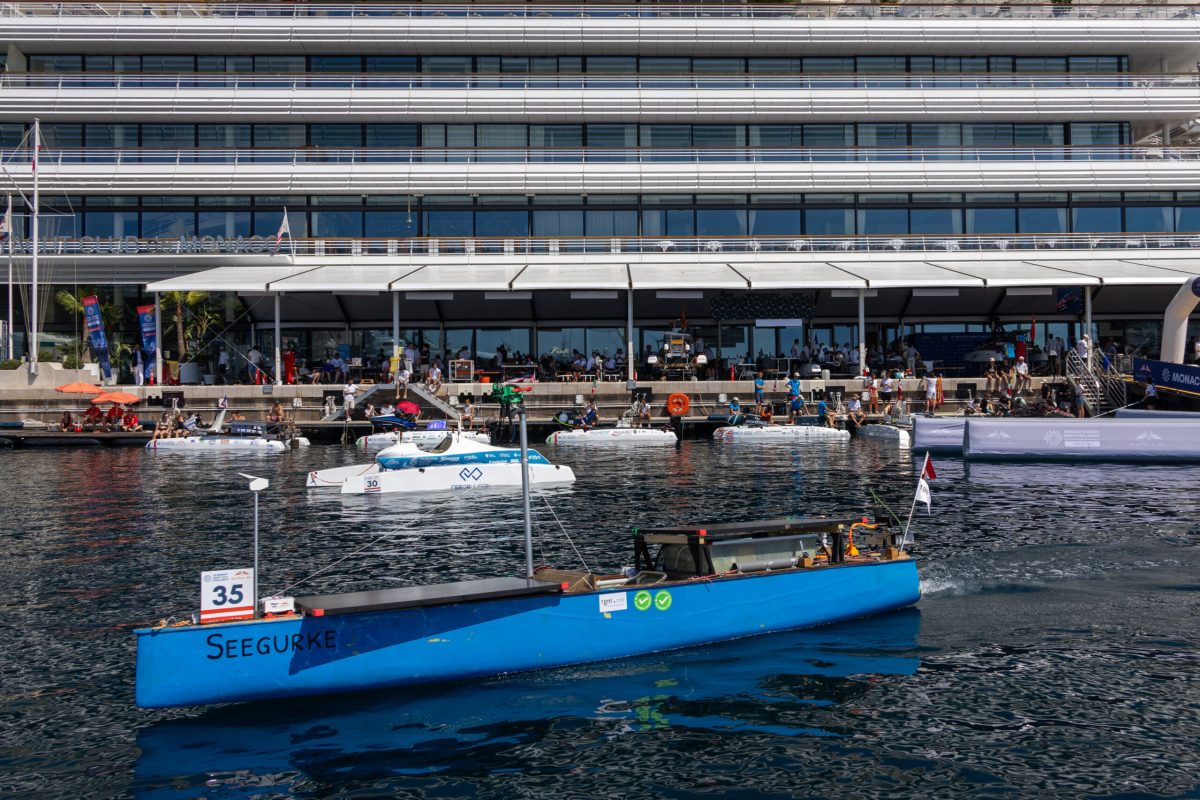
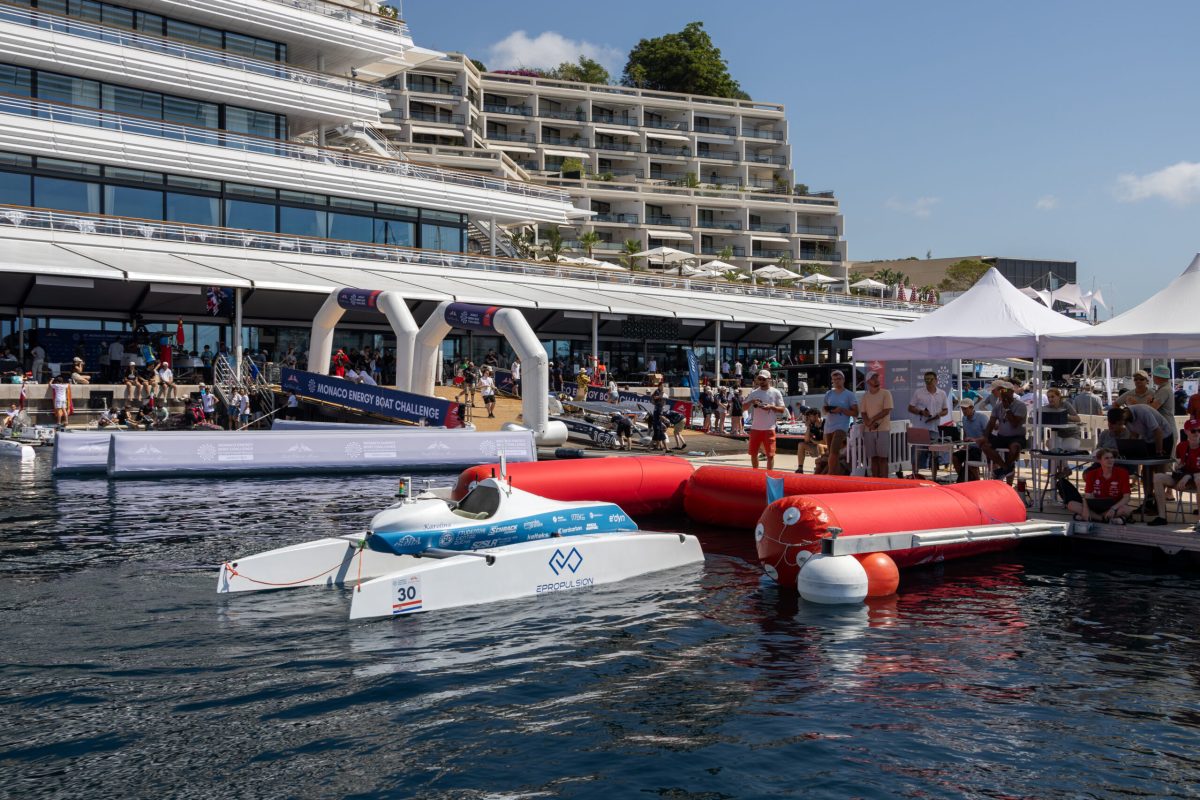
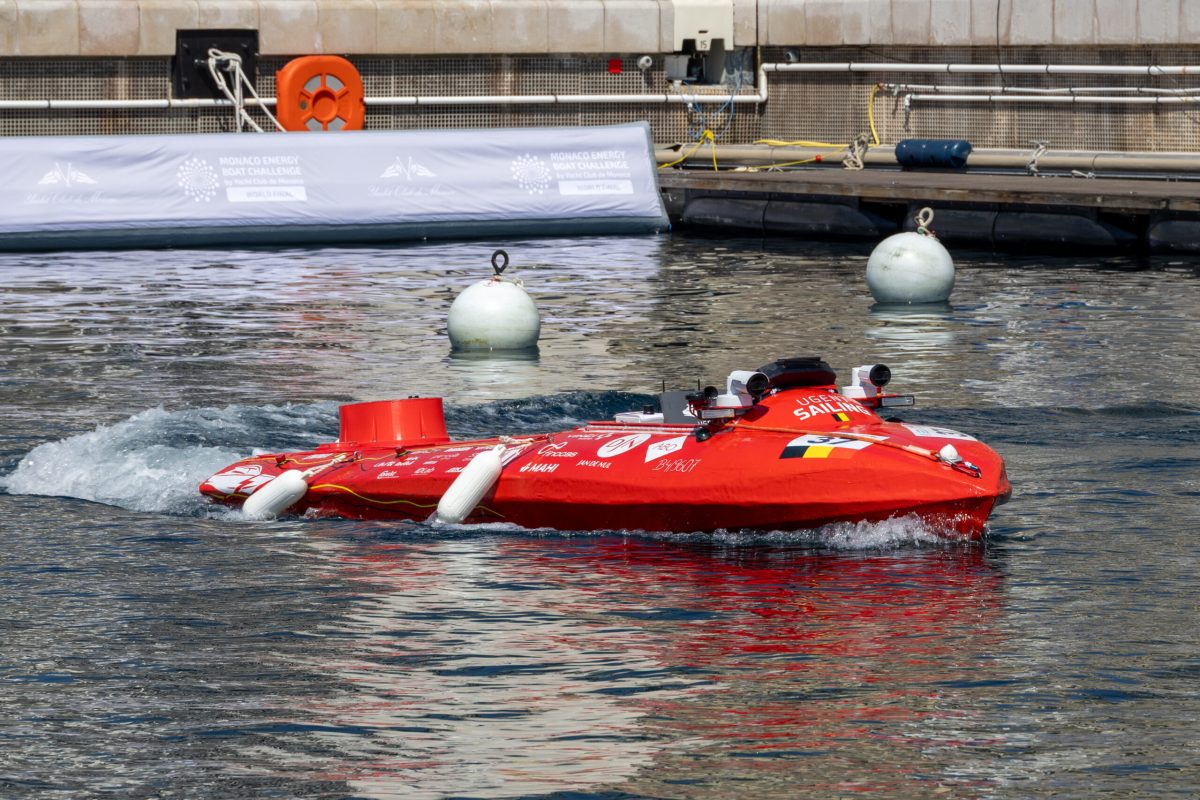
The AI Class is the Monaco Energy Boat Challenge’s fastest-growing racing category, introduced in 2025 and featuring 11 teams in 2026. It brings together fully autonomous, pilotless boats under 12 metres that must navigate without any human intervention relying entirely on onboard sensors, LiDAR, computer vision, neural networks and real-time AI decision-making systems. Competing across four race formats Docking, Sprint, Figure of 8 and Slalom each boat must perceive its surroundings, plan its trajectory and execute complex manoeuvres with full autonomy. The class represents the convergence of artificial intelligence and sustainable maritime technology, with applications extending beyond competition into marine research, environmental monitoring and next-generation vessel design.
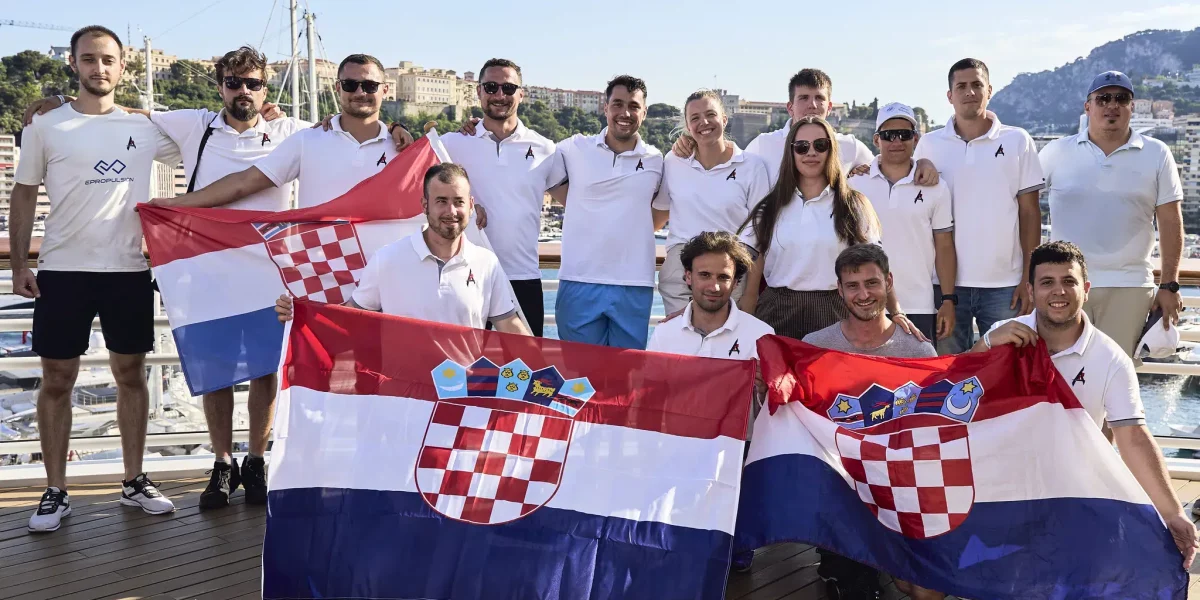
2026 AI Class results: Croatia’s Adria Autonomous Boat Team won the Docking Race (39.27 seconds) and the Figure of 8 Race (44.44 seconds). Austria’s TGM Solar Boat Team and Belgium’s UGent Sailing completed the podium in both events.